Table of Contents
Littleton Electric Light and Water Department, a public power utility serving heavily wooded areas of Massachusetts, including Littleton, Boxborough, and portions of Devens, learned an important lesson during a December 2008 ice storm that caused widespread power outages.
Lessons From the 2008 Ice Storm
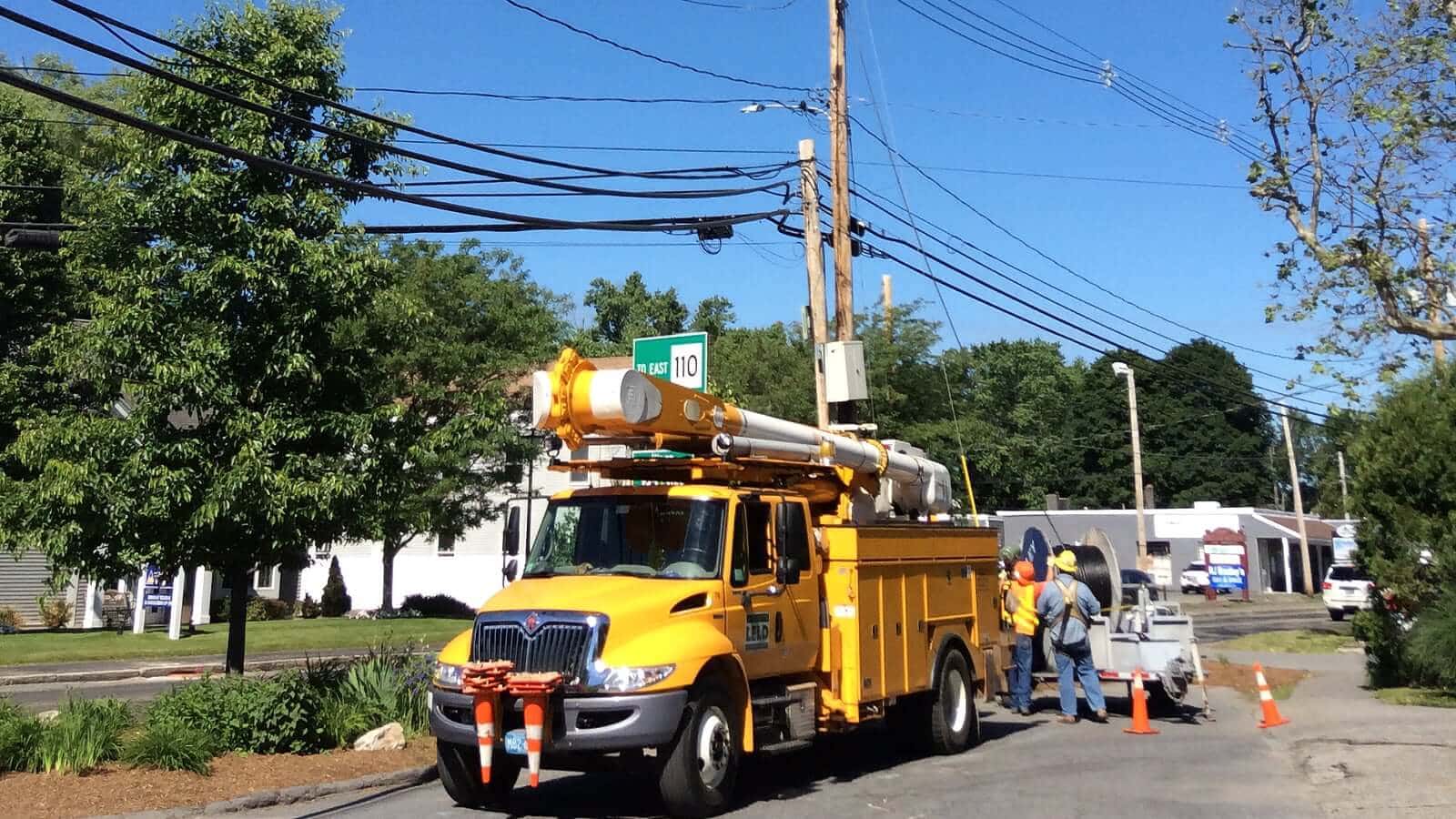
While its neighboring IOU took up to two weeks to restore power in central Massachusetts, Littleton restored service to most of its customers within five days because it had installed covered cable, said Nick Lawler, general manager at LELWD.
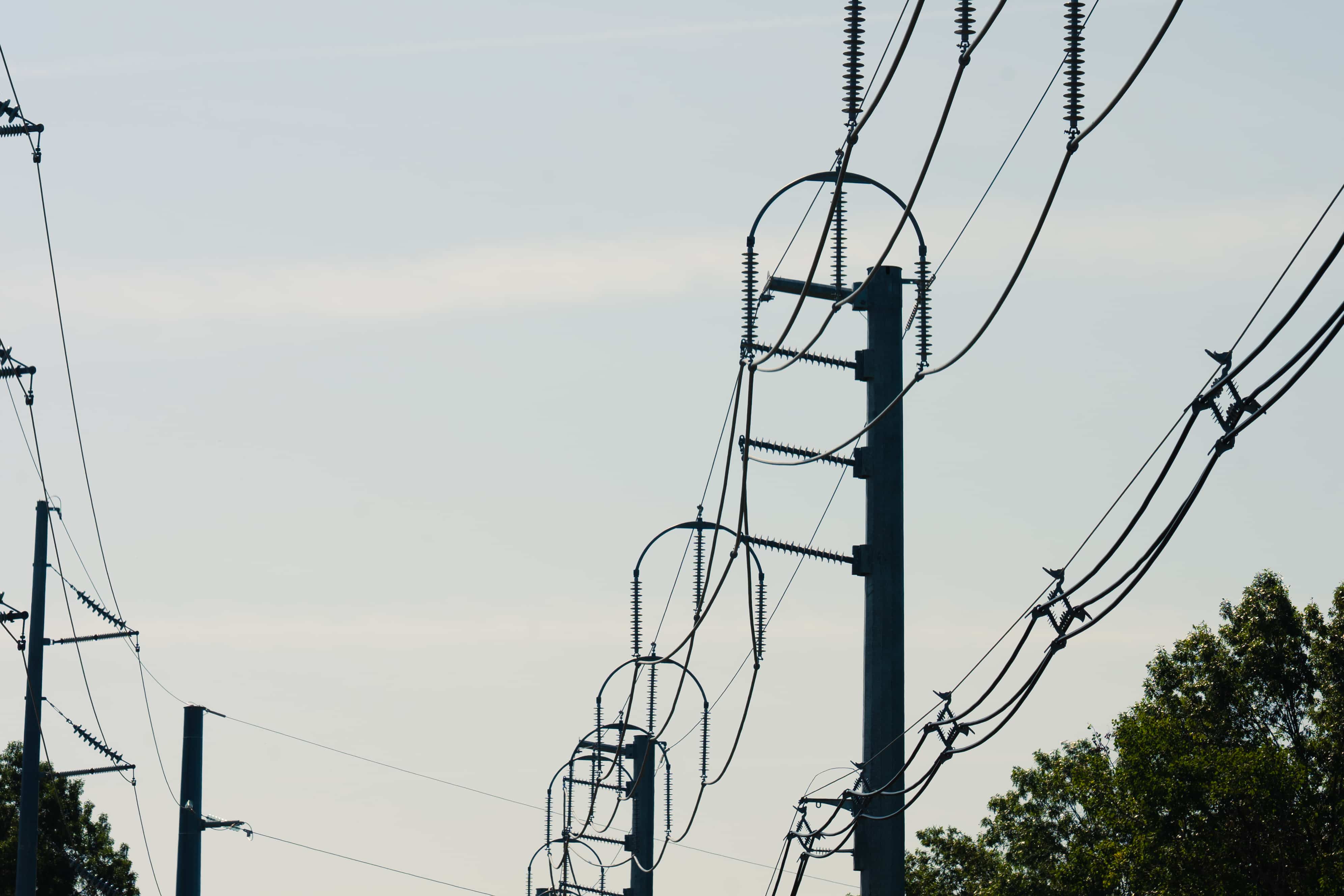
The utility had installed the covered cable in Littleton but not Boxborough. Areas without the covered cable — called spacer cable, with polyurethane coatings that protect against outages — suffered most from the storm.
"With the covered cable, when a storm hits, it's not going to take your power out, and you don't have to send crews out to repair it and fix it. So there's the payoff," said Scott Larsen, field representative at Marmon Utility and a former lineworker for Littleton Electric.
After the storm, the utility installed spacer cable in much of Boxborough.
The investment was paid for by part of the $1-$2 million annual budget Littleton Electric's board of directors allots for resilience and system hardening, which includes upgrading equipment and putting in the "best products that we can," Lawler said.
Evaluating Underground, Bare Wire, and Covered Cable
In addition to investing in hardening, Littleton evaluated underground wire along with the traditional bare wire and covered cable installed in Boxborough and Littleton. For new developments, the utility often installs underground cable at the neighborhood's request. In that case, the developer pays for the extra cost of the system.
While undergrounding wires boosts reliability compared to bare wire systems and improves the look of the neighborhood, it can be harder to maintain and inspect because it's less accessible than overhead wires, Lawler said.
From design support to field-ready solutions, we're here to help.
Why Spacer Cable Works in Wooded Areas
Covered cable was the clear choice for LELWD. Its foray into covered cable began in the 1970s, when Marmon Utility, located in New Hampshire, became an important partner, providing Hendrix overhead distribution products, Lawler said. The utility helped test prototypes of the Marmon products.
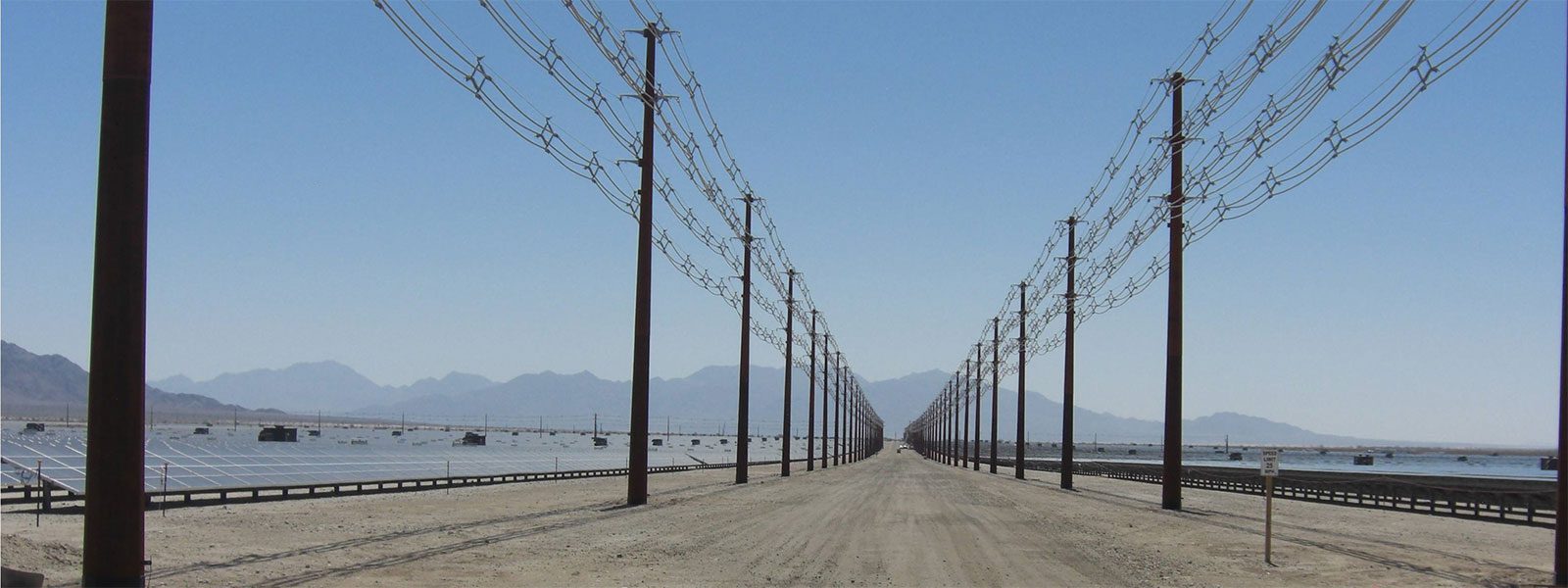
For heavily wooded service territories, the spacer cable system provides several important advantages:
- High mechanical strength: The messenger supports the system’s weight-bearing load and can withstand loads of up to approximately 32,000 pounds.
- Protective cable coatings: Low- and high-density polyurethane layers help protect the conductors compared with traditional bare-wire construction.
- Greater resilience during tree contact: Falling limbs and trees are less likely to create the outages commonly associated with bare conductors.
- Field-proven reliability: The system gives utilities another way to harden overhead infrastructure without moving the entire circuit underground.
The multi-layered cable differs from traditional bare-wire systems because conventional systems lack a protective coating. The covered cable systems have both low- and high-density polyurethane coatings.
"It has a structure that won't allow any amperage to leak out and cause outages," Larsen explained.
Even if a tree contacts the cable, there won't be a power outage. With bare wire, a falling tree in a heavily wooded area can spark outages.
Measuring the Results of Grid Hardening
Over the past 15 years, as LELWD worked to insulate its system, its reliability numbers have improved. "We always had good reliability numbers, but they're almost perfect now," Lawler said.
Littleton Electric earned Certificates of Excellence in reliability from APPA in 2015 and in 2017-2025, said Connor Reardon, LELWD's energy and sustainability manager.
The utility's system average interruption duration index — which measures the average total duration of power interruptions in a year that customers experience — was 8.2 minutes in 2025, according to Reardon. Its system average interruption frequency index — which measures how many interruptions, on average, customers experienced — was 0.11 in 2025.
Reliable Power Starts With the People Behind It
Delivering this level of reliability to the community satisfies the utility's employees.
"If you're a lineman, you have to work in some pretty terrible weather. You have to want to come to work and find value in the job that you do. You have to care about the community. As a public power company, we're all invested in the community we serve and the people we see every day. It's very rewarding," Lawler said.
To read the full Littleton Electric article on the APPA site, click here.
Download the original article in PDF
Ready to build a stronger, more reliable grid?
FAQs
Why did Littleton Electric Light and Water Department choose covered cable?
LELWD chose covered cable after a severe 2008 ice storm demonstrated its reliability benefits. Areas served by covered cable experienced significantly fewer outages than areas with traditional bare-wire systems. The utility found that covered cable helped maintain service during tree-contact events and became a key part of its long-term grid hardening strategy.
How does spacer cable improve reliability during storms?
Spacer cable uses polyurethane-coated conductors supported by a high-strength messenger wire capable of withstanding loads of up to approximately 32,000 pounds. This design helps prevent outages when trees or limbs come into contact with the line, making it especially effective in heavily wooded service territories.
What are the advantages of covered cable compared to bare wire?
Unlike bare-wire systems, covered cable features protective coatings that help prevent electrical leakage and outages caused by vegetation contact. Even when a tree touches the cable, service can often remain uninterrupted. This added protection improves reliability and reduces storm-related outages.
Why didn't LELWD install underground cable everywhere?
While underground systems can improve reliability and neighborhood aesthetics, they are often more expensive to install and can be more difficult to inspect and maintain than overhead systems. For LELWD, covered cable offered a balance of reliability, accessibility, and long-term value.
What reliability results has LELWD achieved through system hardening?
LELWD's investment in covered cable and system hardening has produced exceptional reliability results. The utility earned APPA Certificates of Excellence in Reliability multiple years and reported a System Average Interruption Duration Index (SAIDI) of 8.2 minutes and a System Average Interruption Frequency Index (SAIFI) of 0.11 in 2025.