Table of Contents
The 110th running of the Indianapolis 500 takes place this weekend, and a recent moment at IEEE prompted us to reflect on the role innovation and endurance continue to play across our industry.
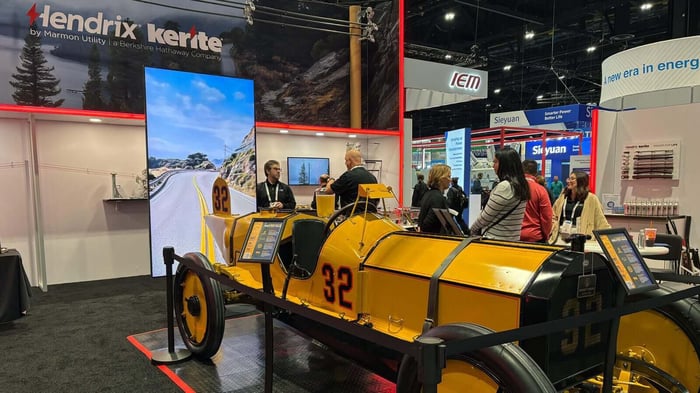
Earlier this month, IEEE attendees had the opportunity to see the Marmon Wasp at the Marmon Utility booth — the car that won the first Indianapolis 500 in 1911. The Wasp stands as an early example of American engineering ambition, performance, and forward-thinking design, and its history remains closely tied to the legacy of the Indianapolis 500.
For Marmon Utility, the moment carried additional meaning. The Marmon Wasp reflects a broader culture of innovation and engineering excellence across the Marmon organization — a mindset that continues to shape how we approach electric infrastructure today.
Long before today’s conversations around resiliency, undergrounding, modernization, and future grid readiness, Marmon Utility helped shape the evolution of electrical infrastructure across North America. Across generations of electrification and infrastructure growth, our brands have powered the systems and communities people rely on every day.
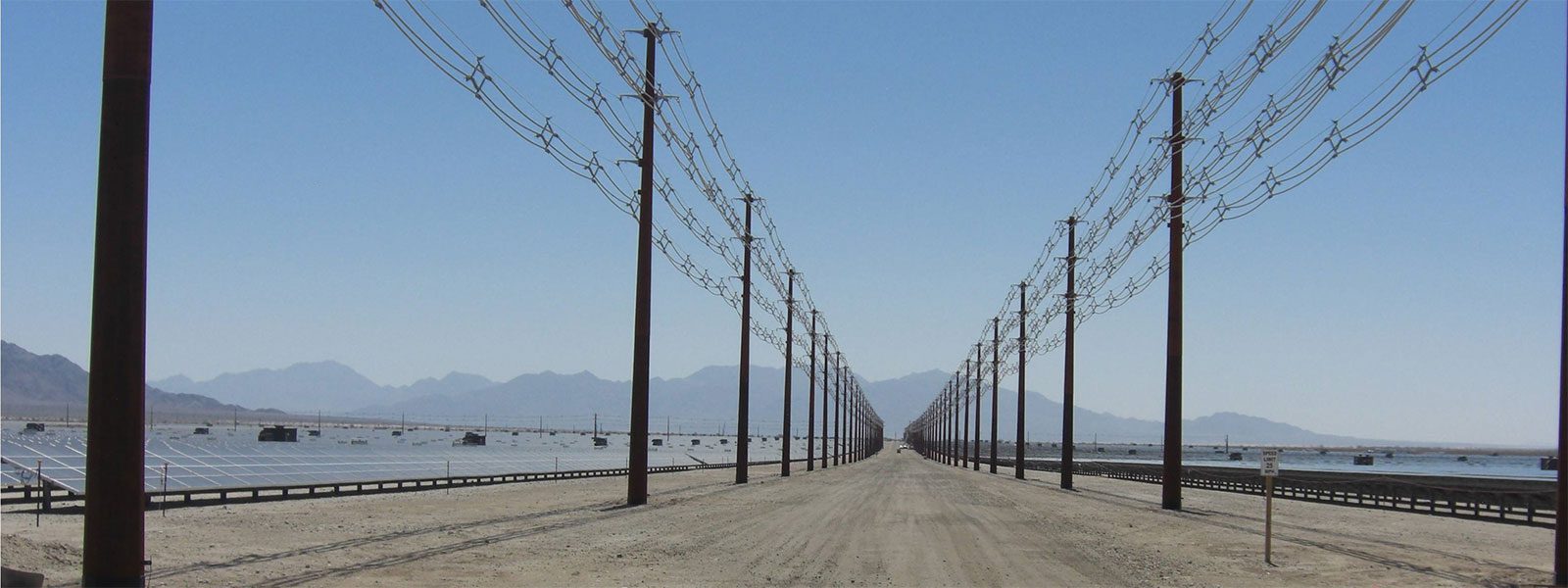
Kerite, founded in 1854, helped pioneer insulated wire and cable technology during the earliest stages of electrification. Hendrix, now celebrating its 75th anniversary, has spent decades advancing overhead distribution technology and helping utilities improve reliability and system performance.
Technology continues to evolve, but the principles behind long-term infrastructure remain consistent: reliability, endurance, innovation, and trust built over time.
The Marmon Wasp pushed boundaries in its era. More than a century later, that same spirit of innovation continues to influence how infrastructure providers respond to the challenges ahead.
Utilities now face increasing demands around resiliency, modernization, capacity, sustainability, and long-term system performance. Meeting those demands requires more than short-term solutions. It requires infrastructure built for the long run.
As another Indianapolis 500 approaches this weekend, we are reminded that meaningful progress does not happen overnight. It takes generations of engineering, investment, and continuous innovation to build systems that stand the test of time.
Marmon Utility remains proud to support the future of electric infrastructure and the communities that depend on it.
Ready to build a stronger, more reliable grid?
FAQs
What is the Marmon Wasp?
The Marmon Wasp is the race car that won the first Indianapolis 500 in 1911. It is widely recognized as an early example of American engineering innovation and performance. The vehicle remains an important part of Marmon's history and reflects a long-standing culture of technical excellence and forward-thinking design.
How does the Marmon Wasp relate to Marmon Utility?
The Marmon Wasp represents the spirit of innovation that continues across the Marmon organization today. While Marmon Utility focuses on electrical infrastructure, the same commitment to engineering, reliability, and long-term performance remains central to how the company supports utilities and communities.
What role has Kerite played in electrical infrastructure?
Founded in 1854, Kerite helped pioneer insulated wire and cable technology during the early stages of electrification. Today, Kerite continues to support underground power systems with cable solutions designed for reliability, durability, and long-term performance.
How has Hendrix contributed to utility infrastructure?
For 75 years, Hendrix has helped utilities improve overhead distribution systems through innovations in cable technology and system design. Hendrix solutions are used to enhance reliability, improve system performance, and help utilities address evolving infrastructure challenges.
Why is long-term infrastructure planning important for utilities?
Utilities face increasing demands related to resiliency, modernization, sustainability, and system capacity. Long-term infrastructure planning helps ensure power systems can reliably serve communities for decades while adapting to future energy needs and changing environmental conditions.