Table of Contents
- Why Solar Projects Need to Think Beyond the Panels
- Wind Farms: Reliability Across Challenging Terrain
- More Efficient Collector Circuits
- Substation Connections and Future Expansion
- A Practical Approach to Cost and Environmental Stewardship
- Engineering Support from Planning Through Installation
- Connect with Marmon Utility at RE+ 2026
- FAQs
Reliable renewable energy collection is essential to making solar and wind generation work. Solar panels and wind turbines receive much of the attention, but the electrical circuits connecting them to a substation are just as important. Those circuits must move energy efficiently while fitting the landscape, supporting maintenance access, and allowing a project to grow. For developers and utilities, choosing the right renewable energy collection system can influence land use, construction complexity, reliability, and long-term cost.
Marmon Utility’s Hendrix® Aerial Cable Systems (ACS) offer an engineered overhead option for renewable projects. Rather than assuming underground cable or conventional bare wire is the best fit for every site, project teams can evaluate spacer cable alongside those alternatives and select a system suited to their specific needs.
Why Solar Projects Need to Think Beyond the Panels
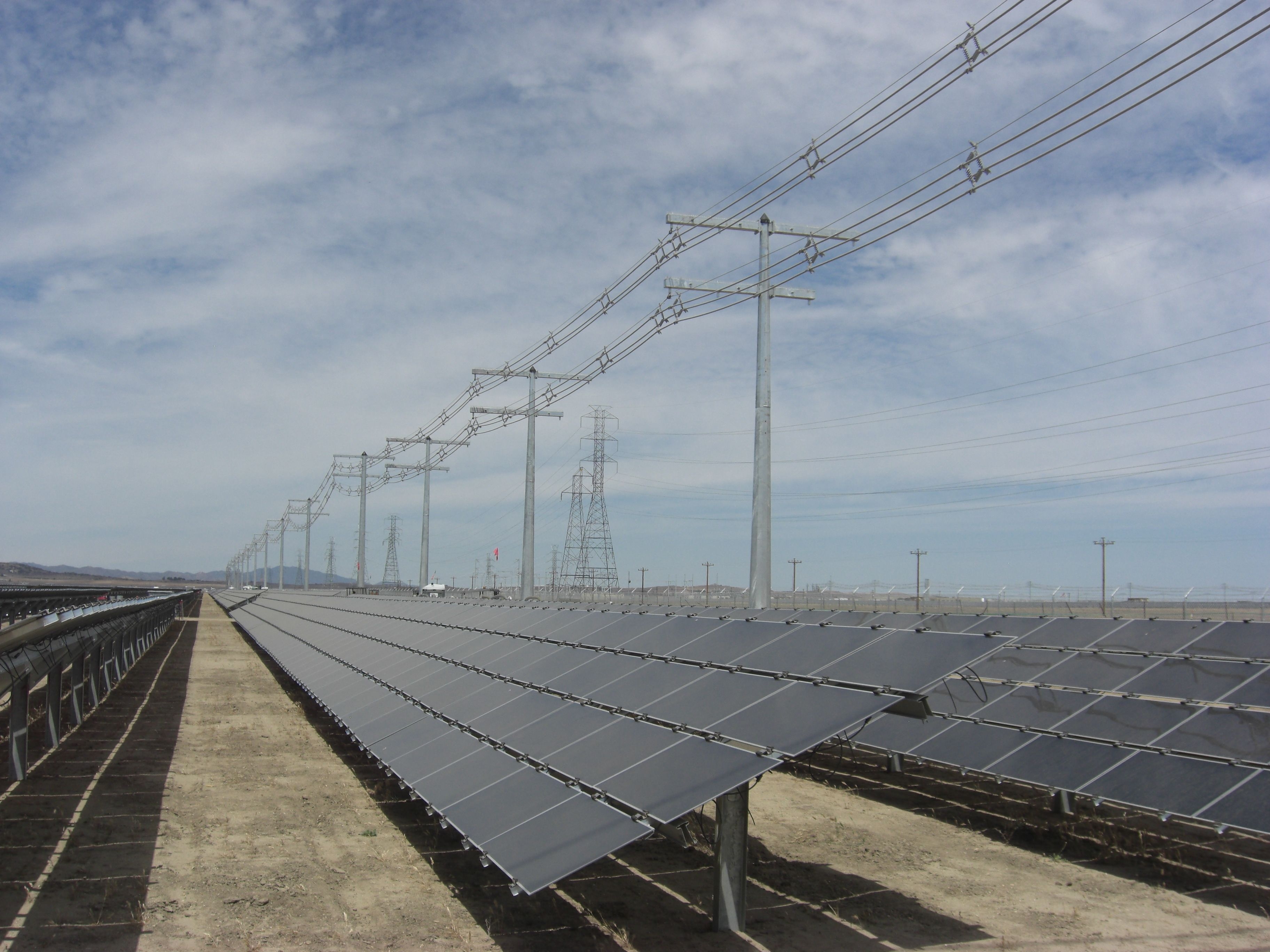
At utility-scale solar facilities, land is a valuable resource. Collection circuits compete for space with photovoltaic arrays, access roads, equipment, and potential battery energy storage additions. A route that consumes less land can preserve more flexibility for generation equipment and future phases of construction.
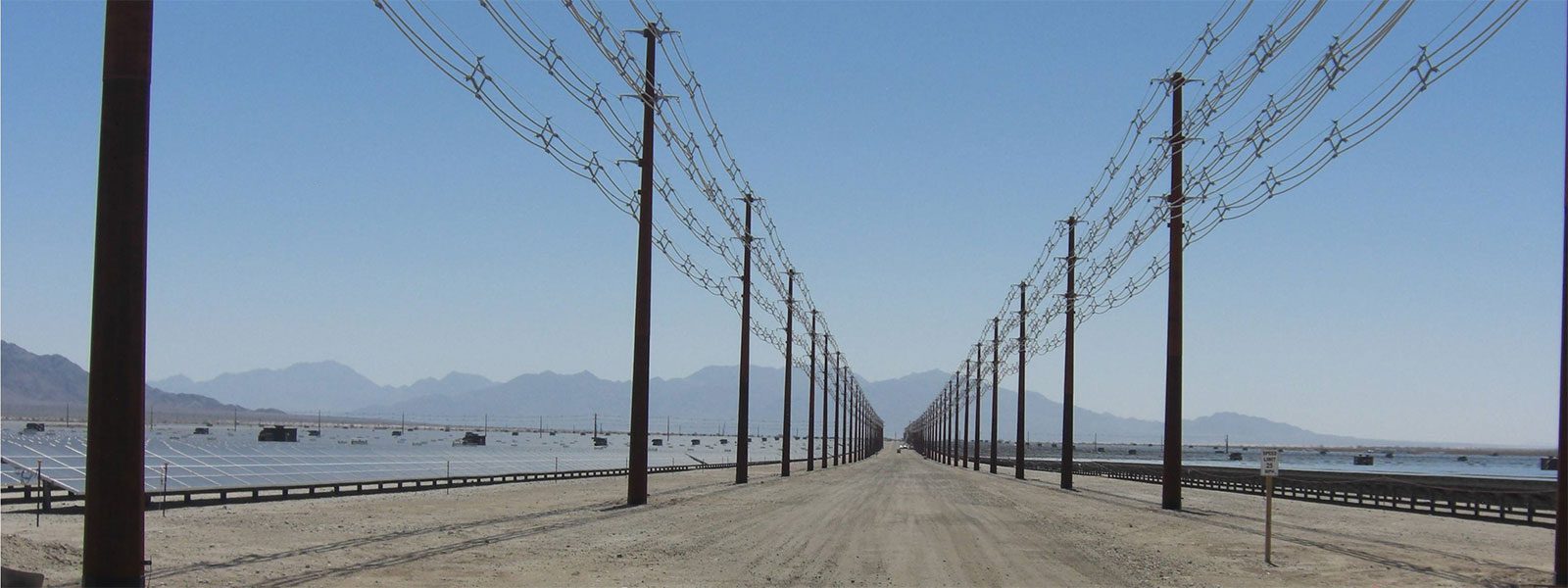
Hendrix ACS uses a compact arrangement of covered phase conductors supported by a high-strength messenger. Polyethylene spacers maintain the conductors in a controlled configuration. Multiple circuits can be arranged along a shared pole line, subject to site-specific structural and electrical design. This can reduce the number of pole lines needed compared with widely spaced overhead construction and may free up space that would otherwise be reserved for collection infrastructure.
Solar projects also face thermal design challenges. In hot climates or soils that dissipate heat poorly, underground cable ratings may be constrained by the surrounding conditions. An overhead option avoids those particular buried-cable thermal limitations, although its own ampacity must still be calculated for solar exposure, wind, ambient temperature, and conductor configuration. The right comparison considers the full installed system, not simply cable price.
Wind Farms: Reliability Across Challenging Terrain
Wind facilities introduce a different set of demands. Turbines may be spread along ridgelines, across wooded hills, or over long distances from the collection substation. Rocky ground and steep slopes can make trenching difficult, while exposed routes experience substantial wind and weather loading.
In conventional bare-wire construction, conductor movement can create the potential for phase contact and faults. Hendrix spacer cable maintains controlled phase spacing and uses covered conductors to reduce certain incidental-contact fault mechanisms. Its messenger-supported design also provides a coordinated mechanical barrier. These characteristics make it worth considering where wind exposure, narrow rights-of-way, or vegetation complicate traditional designs.
For example, Hendrix renewable project experience includes ridgeline wind installations in New Hampshire and Vermont, where compact overhead collector routes have been used to connect turbine areas to substations. These applications illustrate the importance of matching the collection system to the terrain rather than using one standard construction approach everywhere.
More Efficient Collector Circuits
The benefits of compact construction extend beyond the physical footprint. Bringing phase conductors closer together changes circuit impedance and can improve voltage regulation compared with widely separated bare-wire configurations. For long or voltage-limited collector circuits, that difference may create opportunities to optimize conductor sizing and reduce material requirements. Actual performance depends on the route, load, conductor size, and engineering model.
Hendrix’s 35 kV renewable application specification addresses collector-circuit requirements including conductor construction, messenger strength, spacers, hardware, and testing. It also covers environmental performance across a wide range of ambient temperatures. These details matter because reliable operation comes from an integrated design, not from replacing one conductor with another.
The same planning approach matters when a solar facility adds battery storage or expands into a new phase. Leaving capacity for additional circuits and planning their routes early can reduce disruption later. A compact collection layout is one tool for preserving that flexibility, provided structures, protection, and access are designed for the ultimate buildout.
Substation Connections and Future Expansion
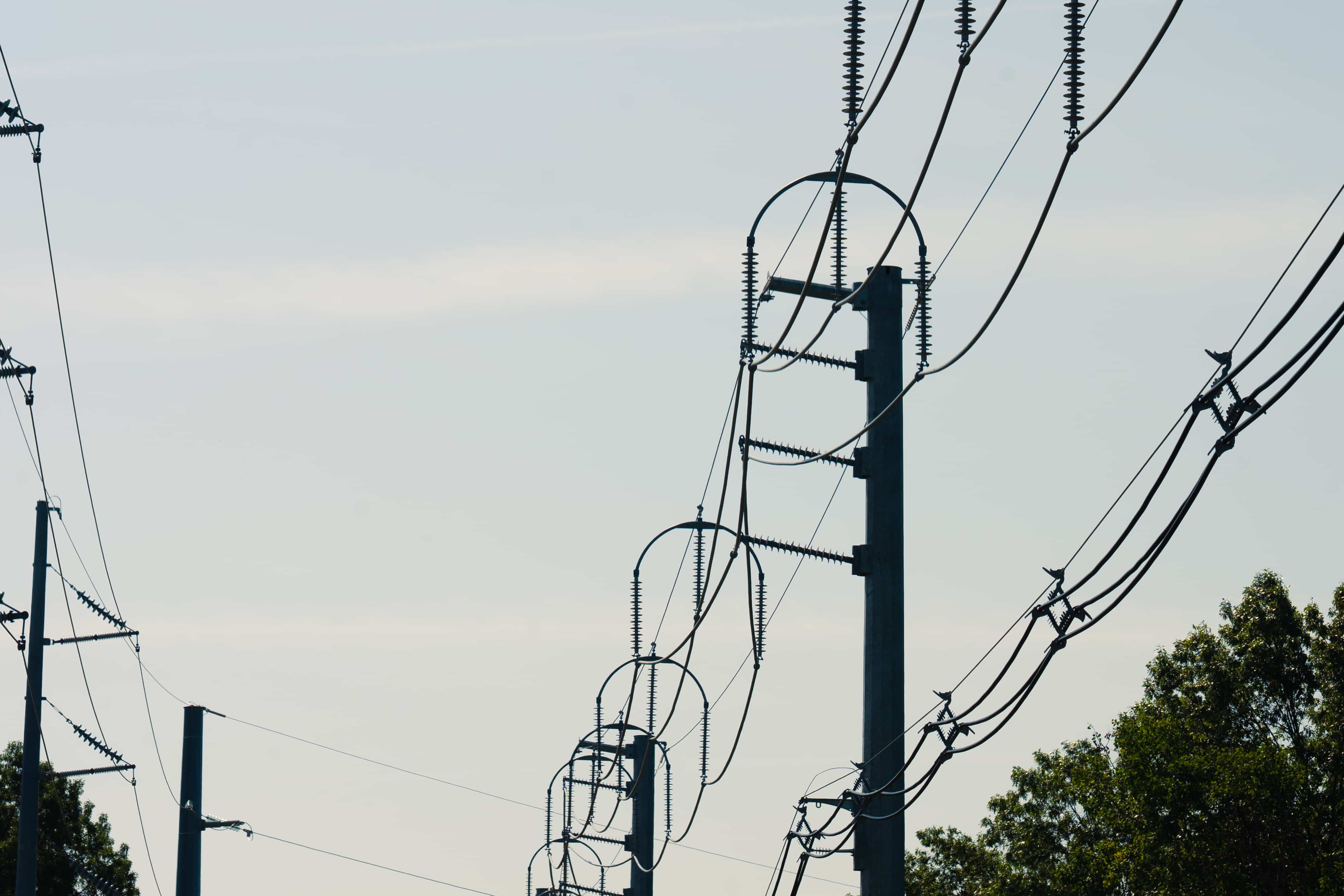
Renewable energy collection circuits eventually converge at a substation, often in a limited space. A compact overhead layout can help route multiple circuits toward that connection while preserving access and room for future development. In suitable designs, Hendrix ACS can connect directly to station equipment, potentially reducing some underground transitions and related civil work.
These connections still require careful coordination of grounding, protective devices, structure loads, clearances, and exposed transition points. The covering on spacer cable is not touch-safe insulation. As with any overhead electrical system, utility safety practices and applicable codes remain essential.
A Practical Approach to Cost and Environmental Stewardship
A project’s best-value solution depends on more than initial material cost. Developers should compare poles and foundations, excavation, easements, conductor sizing, installation schedules, inspection, repairs, and future expansion. Compact overhead routes may reduce vegetation clearing or ground disturbance in some settings, while other locations may favor underground construction for access, permitting, or operational reasons.
Aerial spacer cable can also support site planning around protected vegetation and wildlife. Its covered conductors and compact geometry may reduce some contact risks, but wildlife protection and environmental compliance still require project-specific review. The goal is a responsible design that balances energy delivery with the conditions of the surrounding land.
Engineering Support from Planning Through Installation
Marmon Utility supports Hendrix ACS projects with design engineering, material planning, installation guidance, field services, and final inspection. Our team can evaluate sag and tension, pole loading, electrical performance, and construction details before installation begins. Coordinated support helps owners and contractors translate a proposed layout into a system that can be maintained over time.
As solar and wind generation grows, the collection infrastructure deserves the same thoughtful planning as the generating equipment. Hendrix ACS gives renewable developers and utilities another way to address space, terrain, reliability, and expansion—without treating any one construction method as the answer for every project.
Connect with Marmon Utility at RE+ 2026
Meet Marmon Utility at RE+ 2026, November 16–19, 2026, at the Las Vegas Convention Center in Las Vegas, Nevada. Exhibit hall dates are November 17–19. Visit Booth C7521 to speak with David Boyer about renewable energy collection solutions.
FAQs
1) What is renewable energy collection?
Renewable energy collection refers to the electrical infrastructure that moves power from solar panels, wind turbines, or other renewable generation sources to a substation or grid connection point. These collection systems must balance reliability, land use, construction requirements, and long-term performance.
2) How can aerial cable systems support solar projects?
Aerial cable systems can help solar developers make better use of available land by reducing the space required for collection circuits. Compact overhead layouts can also support multiple circuits, improve access, and preserve room for future solar or battery storage expansion.
3) Why are spacer cable systems useful for wind farms?
Wind farms often operate across long distances, steep terrain, or wooded areas. Spacer cable systems can help maintain conductor separation, reduce certain fault risks, and provide a compact overhead option where trenching or traditional bare-wire construction may be difficult.
4) How can compact collector circuits improve project flexibility?
Compact collector circuits can reduce the amount of land dedicated to electrical infrastructure and leave more room for generation equipment, access roads, battery storage, or future expansion. They can also help utilities and developers route multiple circuits through constrained areas.
5) What factors should developers consider when choosing a renewable energy collection system?
Developers should evaluate land use, terrain, construction costs, thermal performance, reliability, maintenance access, environmental requirements, future expansion, and substation connections. The best solution depends on the specific site and should be based on the full installed system, not just initial material cost.